
Offer
Our offer
Comprehensive sampling solutions
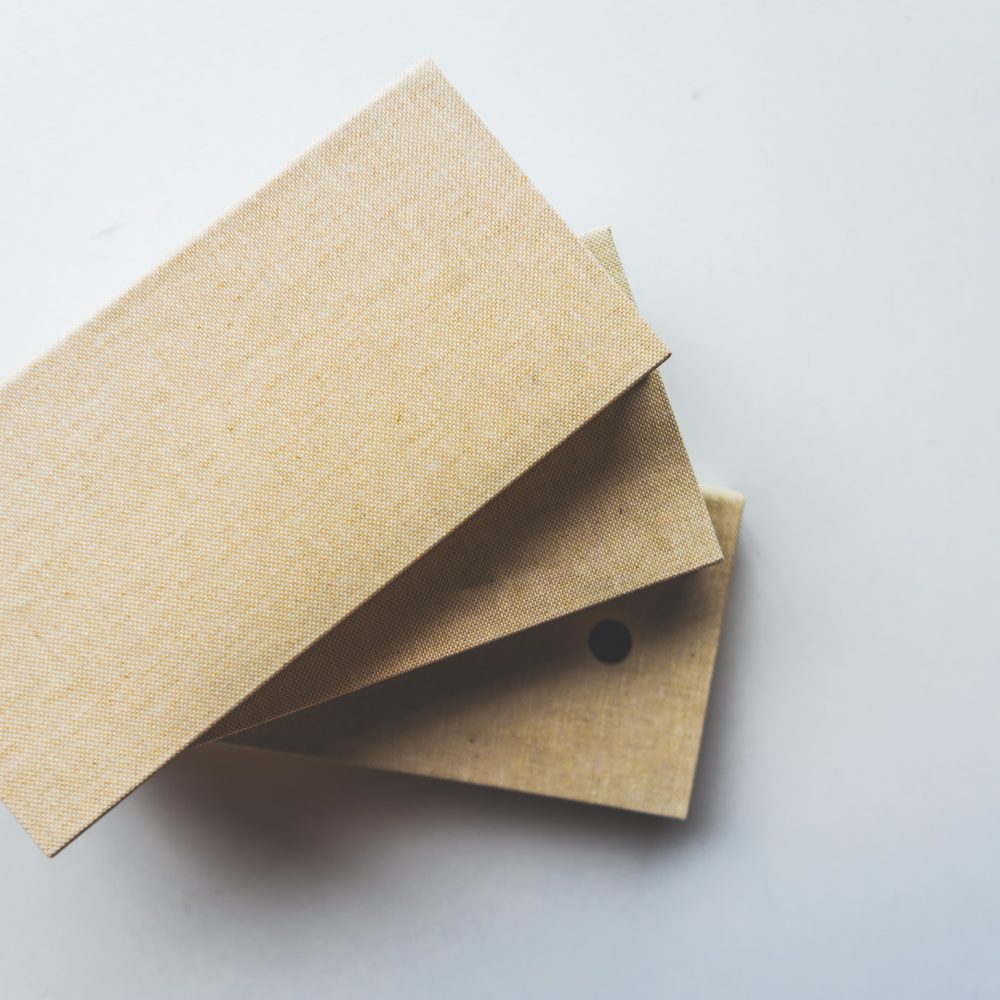
Book samplers
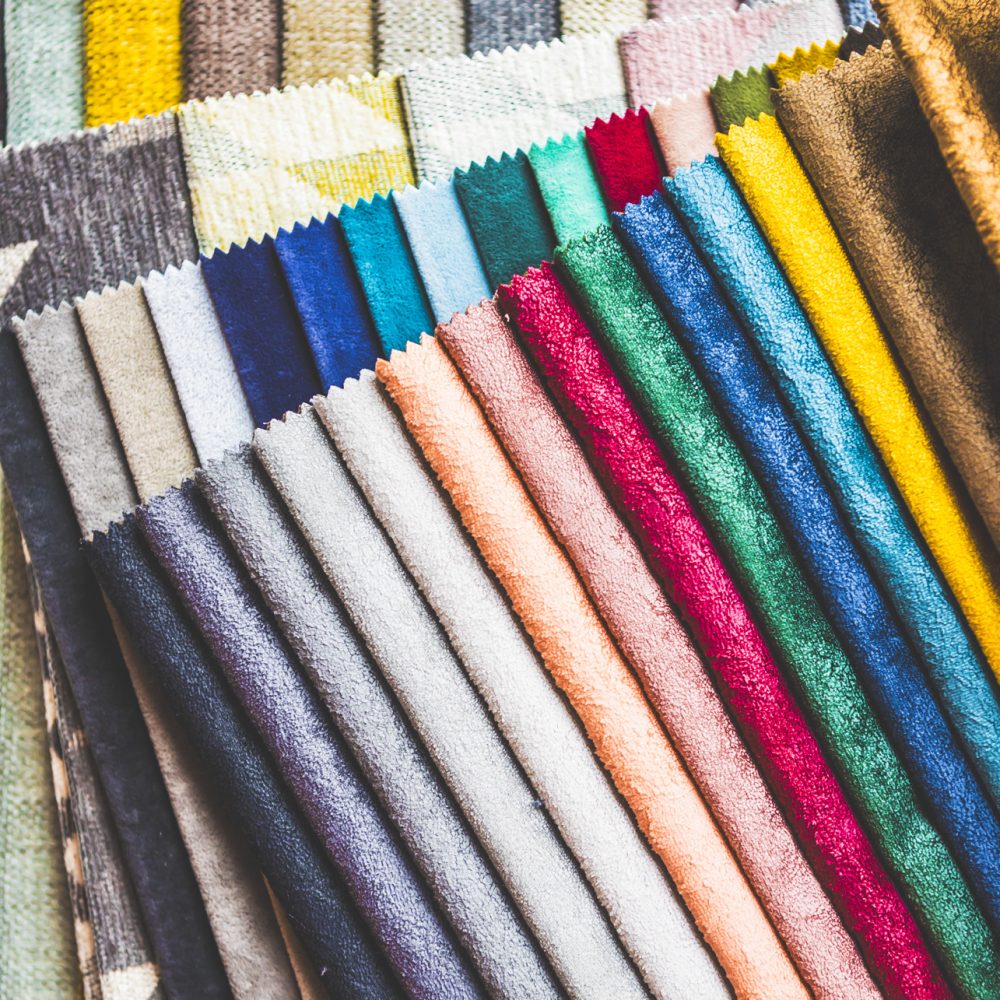
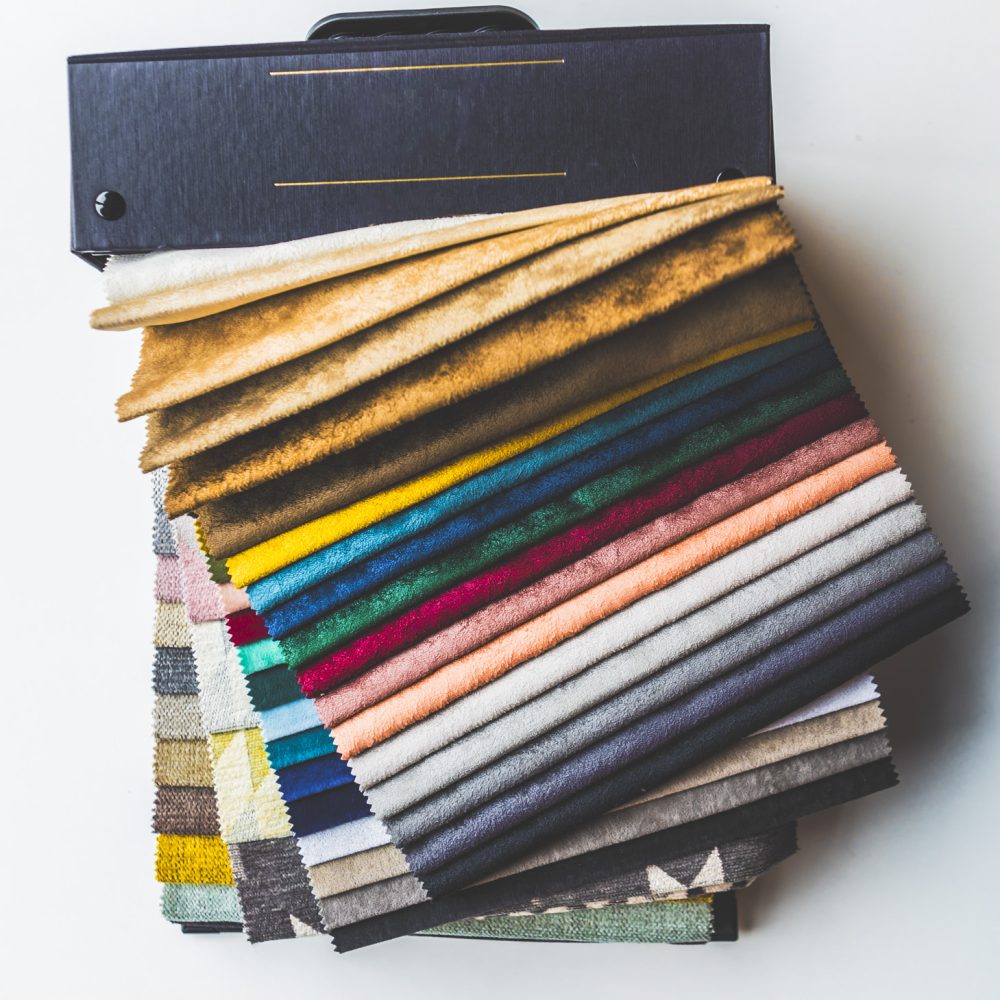
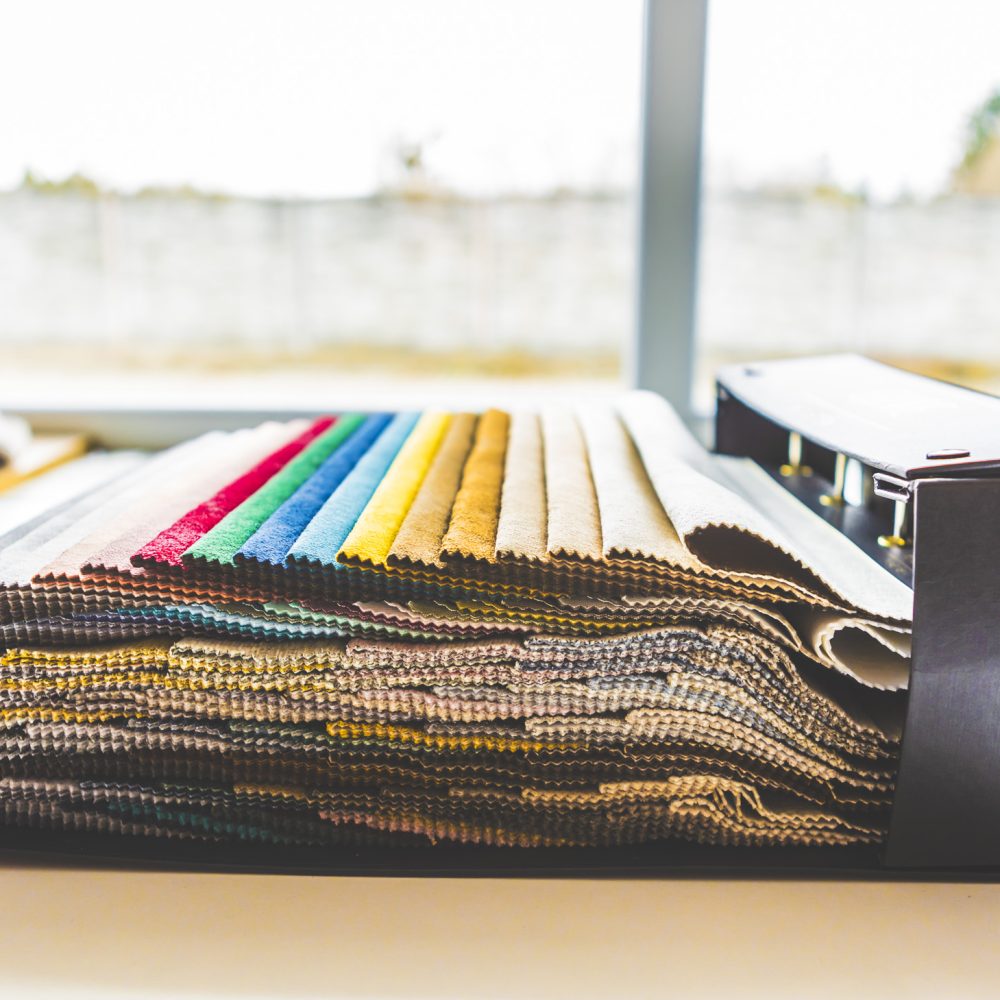
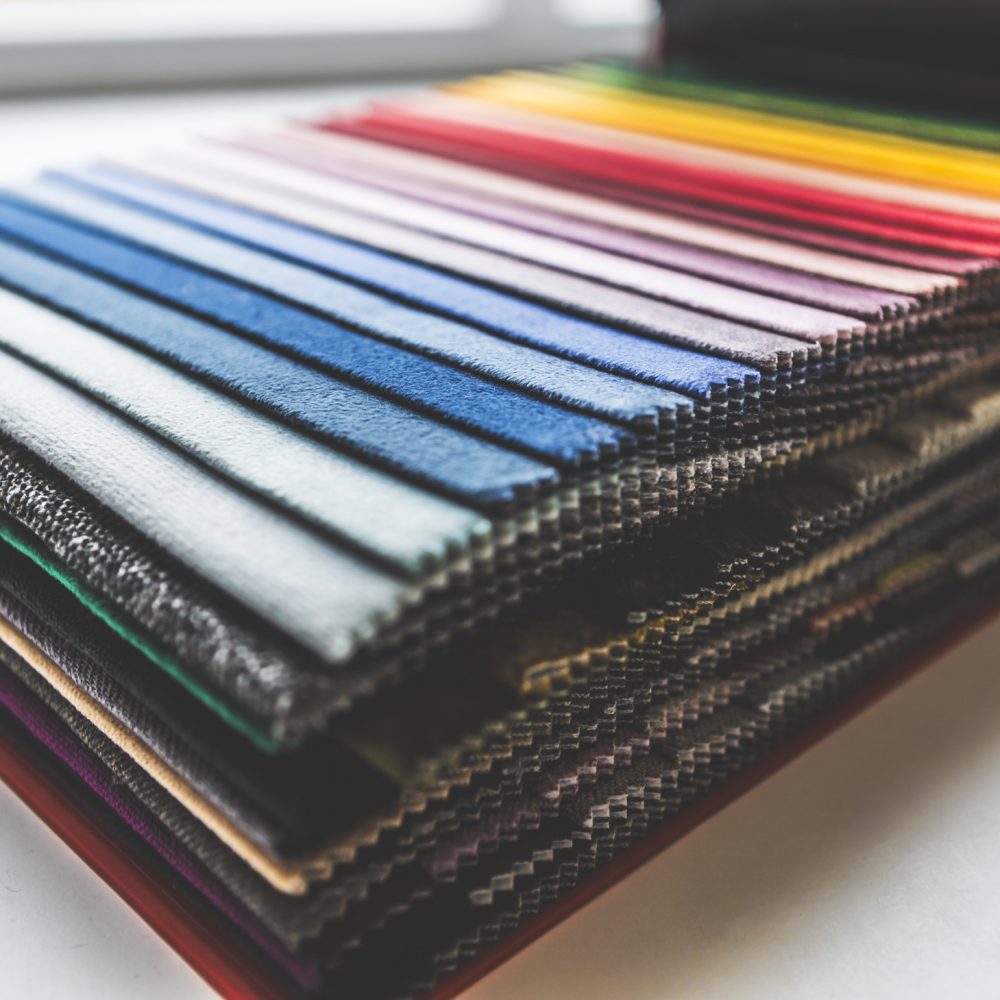
Fabric sample books are one of the most elegant and practical ways to present a collection of materials.
What are book samplers?
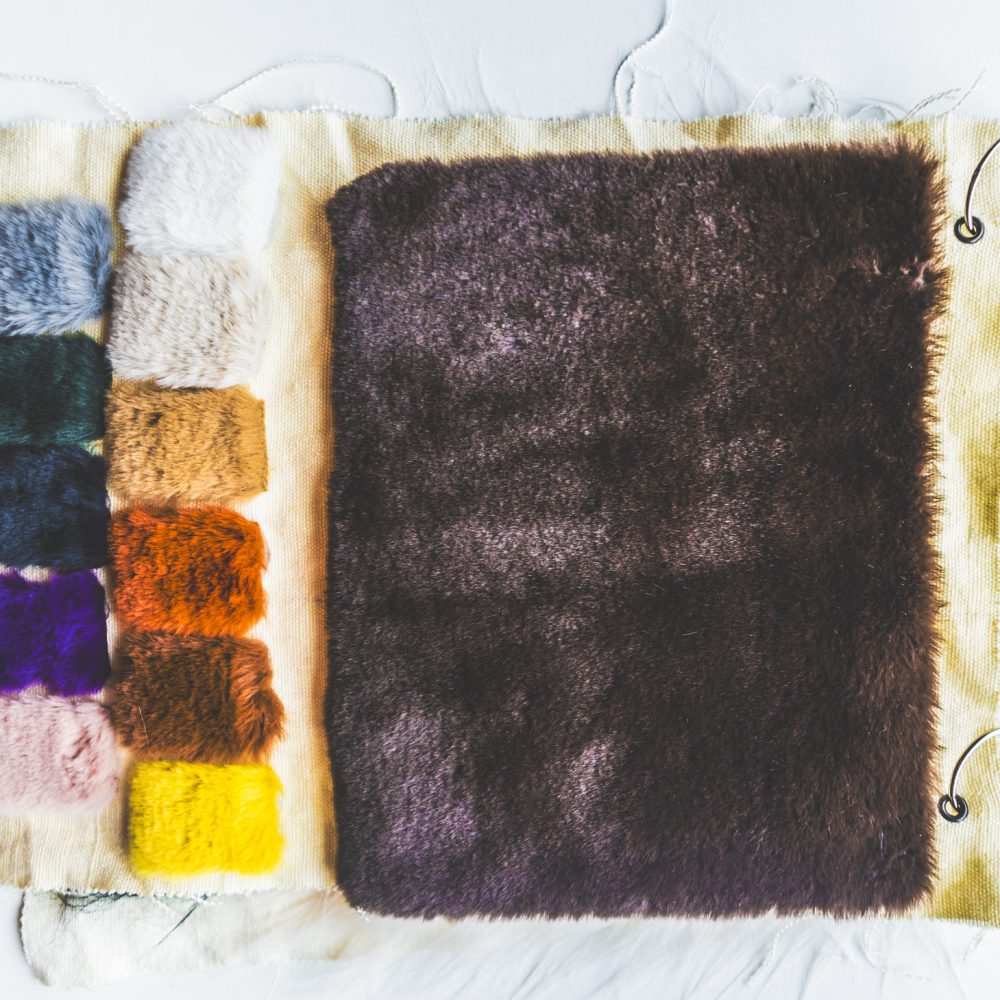
- This is a sampler in the form of a book or binder, where fabrics are sewn, glued, or clipped onto cards.
- This allows customers to easily browse through the patterns, colors, and textures, simply by flipping through the pages like a catalog.
- They typically include technical descriptions (composition, weight, abrasion resistance, product code).
Advantages of book samplers:
- Professional look – elegant presentation of the collection.
- Easy to browse – designs can be quickly compared side by side.
- Durability – strong binding protects fabrics from damage.
- Personalization options – cover with logo, graphics, and technical descriptions.
- Portability – salespeople can take them to client meetings.
Most common uses:
- Decorative and upholstery fabrics
- Curtain and drapery materials
- Premium collections (e.g., velvets, linens, jacquards)
- Sample guides for wholesalers, furniture manufacturers, and architects
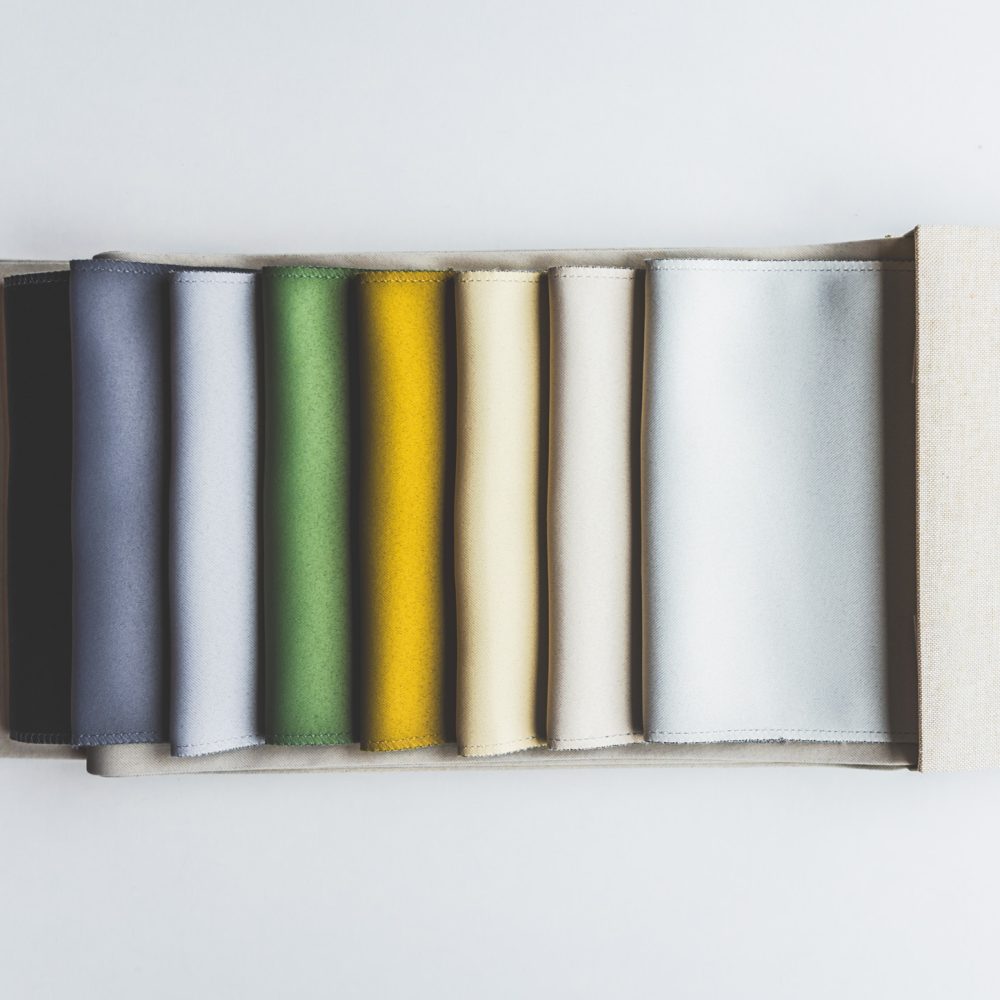
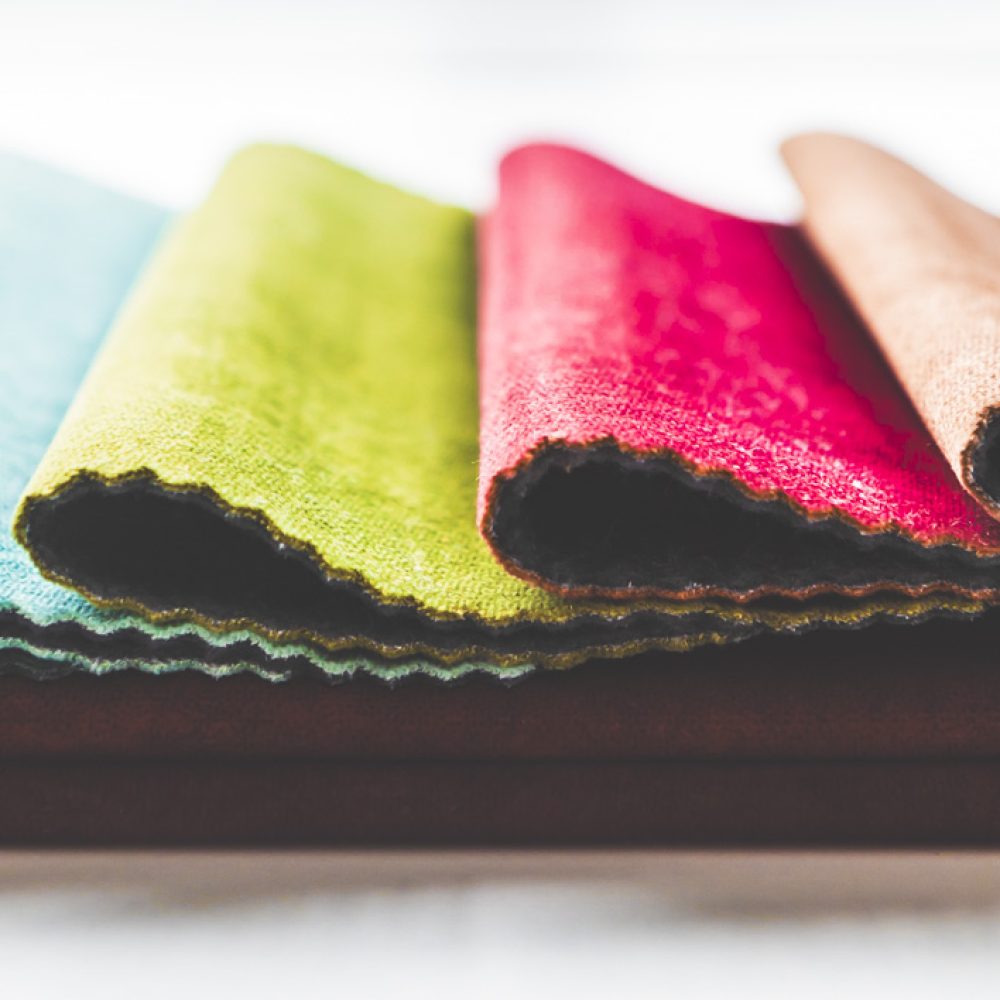
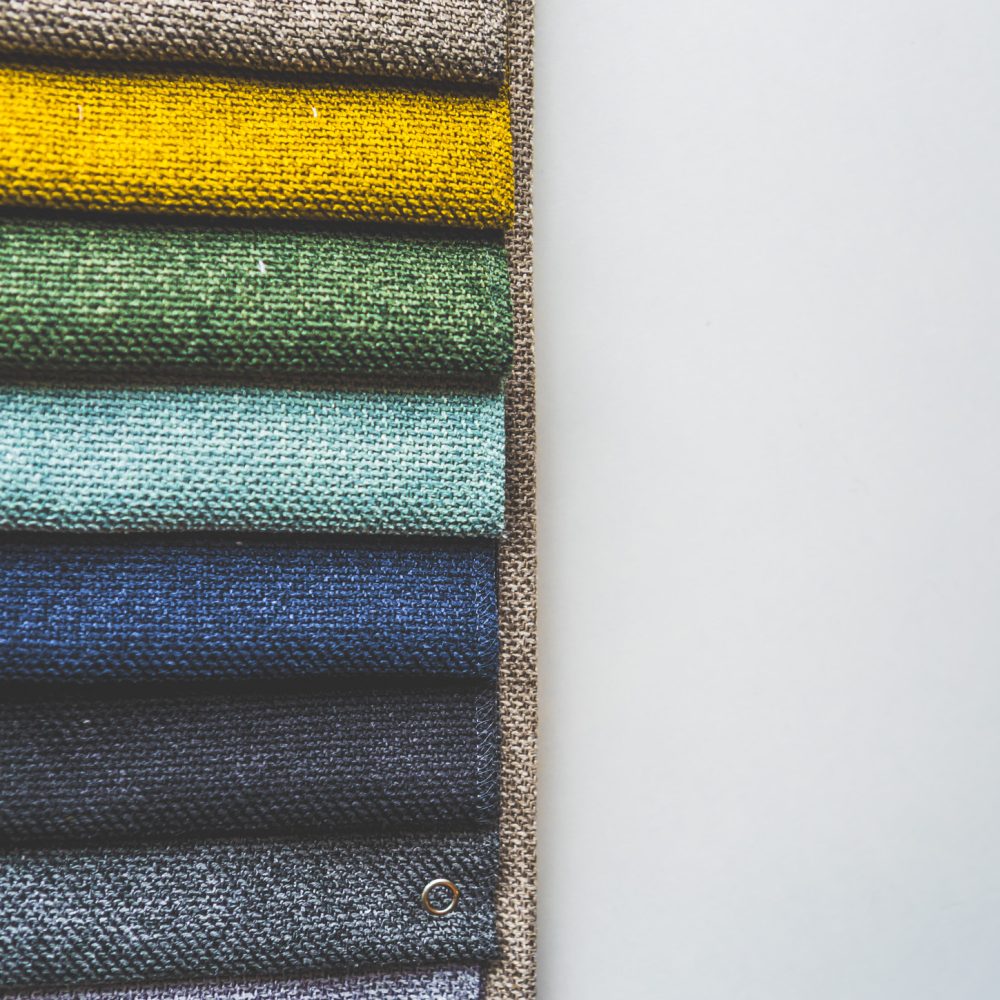
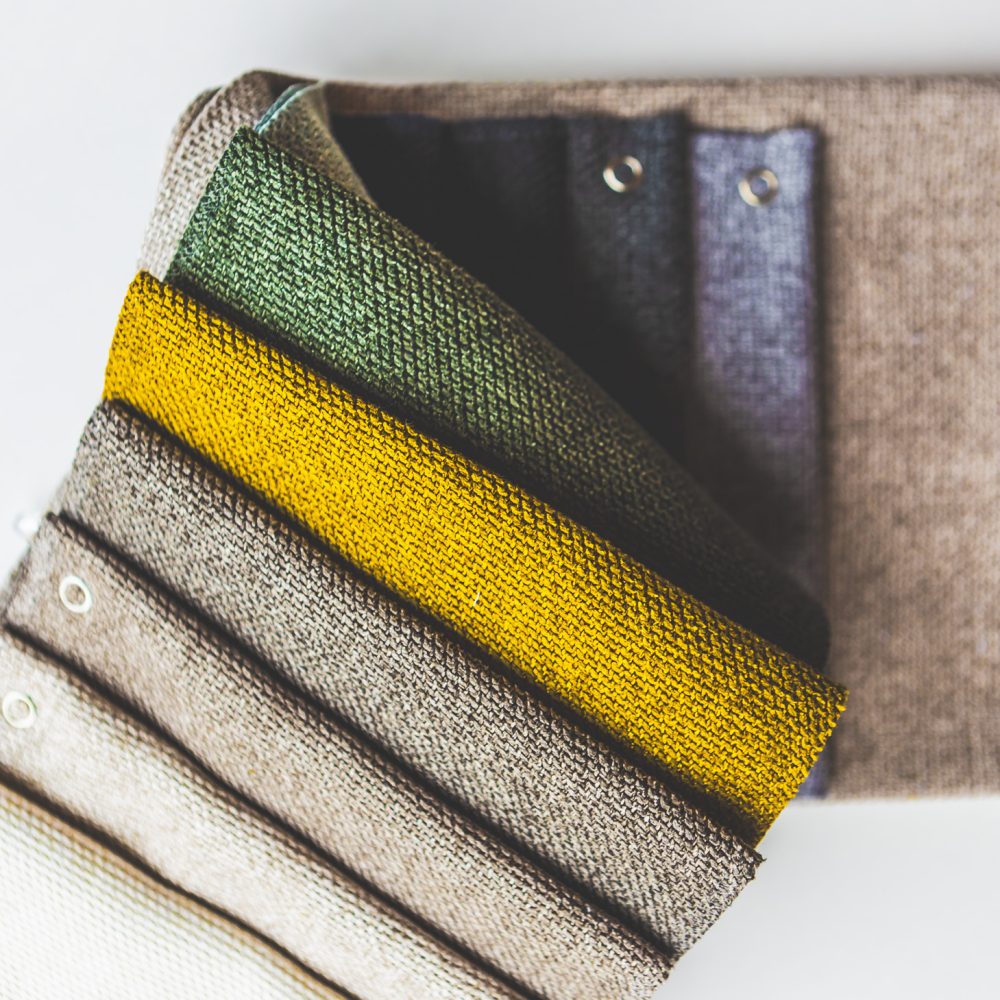
Cascade samplers, waterfalls, waterfall
Waterfall fabric swatches are a very popular form of presenting materials, especially in the furniture and decoration industries.
What is a waterfall sampler?
- This is a sampler in which fabrics are arranged in a cascading pattern, one below the other, so that each sample is visible in its entirety, or at least in large parts.
- The name “waterfall” comes from the effect of the fabrics flowing downward, creating a transparent display of the entire collection.
Advantages of waterfall samplers:
- Full visibility of patterns and colors – customers can see a large surface area of the fabric.
- Easy shade comparison – all samples are displayed side by side in one line.
- Practicality – fabrics can be touched and their textures and thicknesses compared.
- Professional presentation – the collection looks modern and attractive.
- Various formats – from smaller, handy samples for salespeople to large “wall” displays for showrooms.


Sample binders and color cards
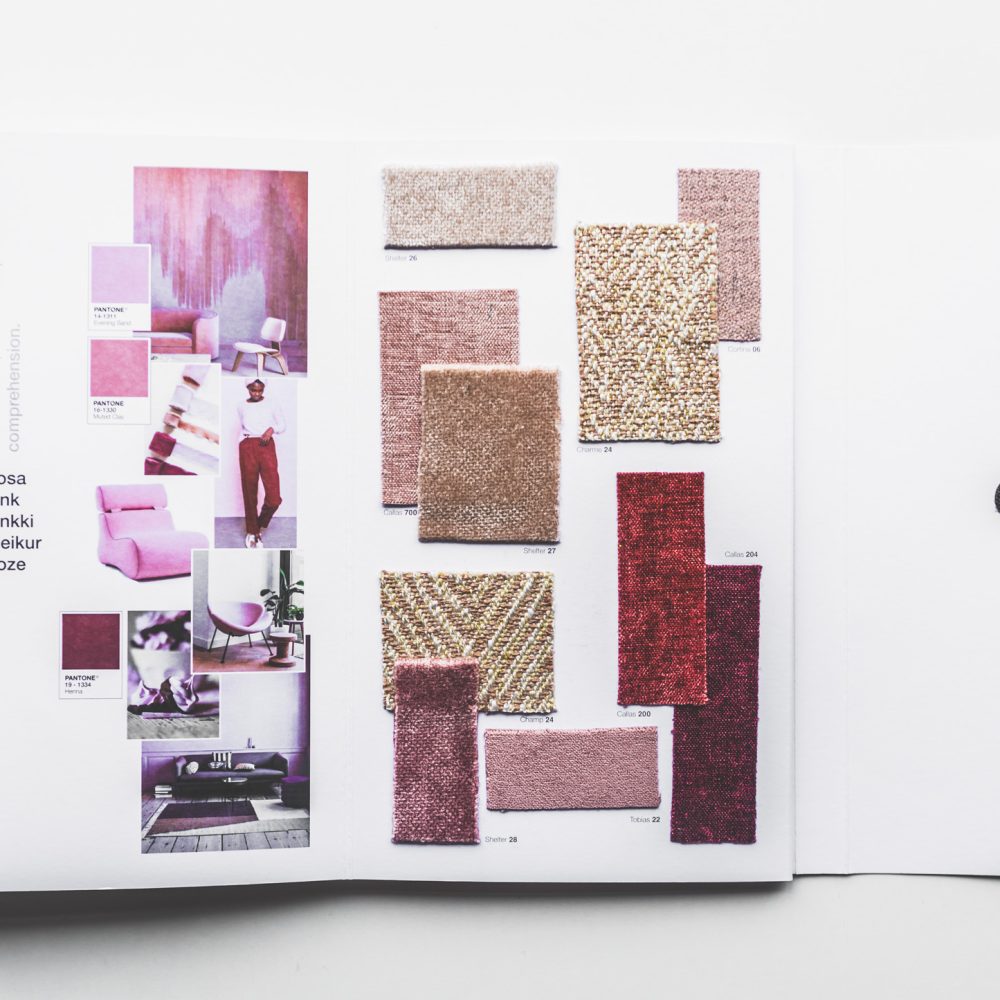
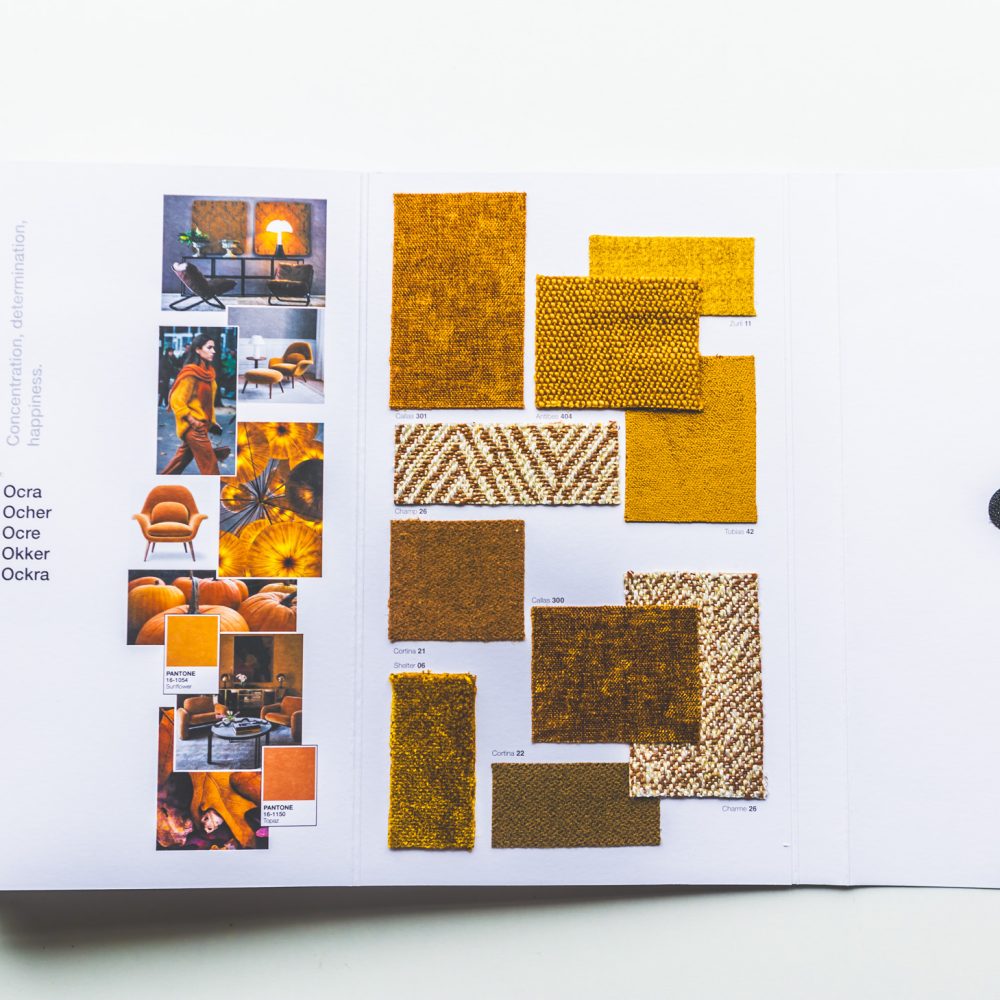
Fabric binders are a practical and flexible form of sampler.
Design: a classic binder with interchangeable cards to which fabric samples are attached.
Advantages:
- Easily expand your collection by adding or replacing cards.
- Professional presentation – ideal for wholesalers and sales representatives.
- Combine multiple collections in one place.
- Personalized cover with logo and technical descriptions.
Application: especially popular in larger collections that are regularly updated.
Fabric color cards (hanger cards) are one of the most transparent and minimalistic forms of presentation.
Construction: a single, stiffened card (sometimes folded) on which small material samples are glued in even rows.
Advantages:
- Compact and lightweight – easy to mail.
- Quick overview of the entire color range.
- Economical solution – cheaper than books or waterfalls.
- Can be customized with technical data, color codes, and names.
Application: great for manufacturers and importers who want to easily send the entire color palette to customers, architects or furniture showrooms.
Sample panels and wall samples
Fabric wall panels and samplers are display solutions that are ideal for showrooms, showrooms, and distribution points.
Fabric Wall Panels
Description: Large formats presenting fabric samples in sizes much larger than classic samples.
Advantages:
- Customers can see a larger area of the fabric, not just a small section.
- A very effective display – it acts as a showroom decoration.
- The entire collection can be presented in one place.
- Suitable for decorative fabrics, curtains, and draperies.
Applications: Manufacturer and importer showrooms, interior design salons, trade fair displays.
Wall samples
Wall samples
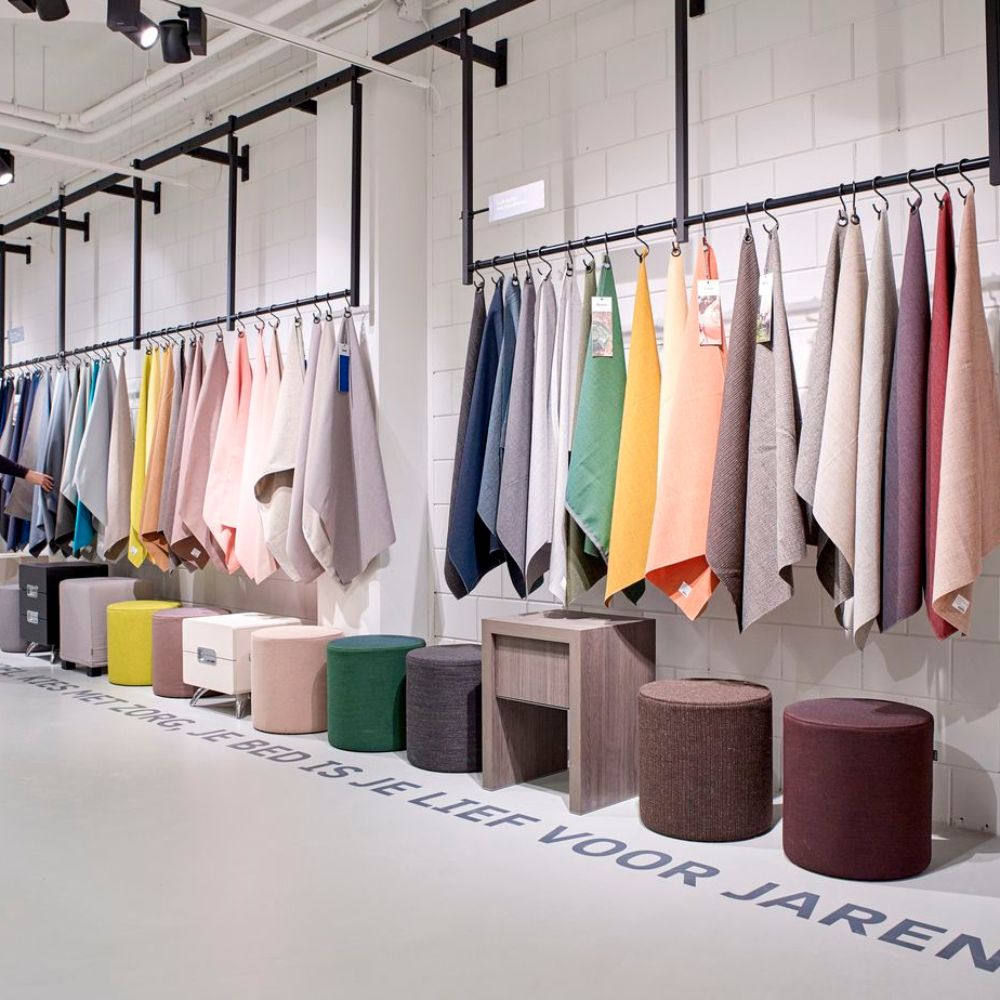
Description: These are hanging systems – e.g. hangers or frames – on which fabrics are hung in the form of strips or sheets.
Advantages:
- Easy access – customers can touch and move fabrics just like in a catalog, only in a larger format.
- Large presentation area – patterns, textures, and fabric report layouts can be displayed.
- Practical for everyday use in the showroom.
Application: most often used in furniture stores, curtain showrooms, as well as in shops for architects and designers.
Memo swatches
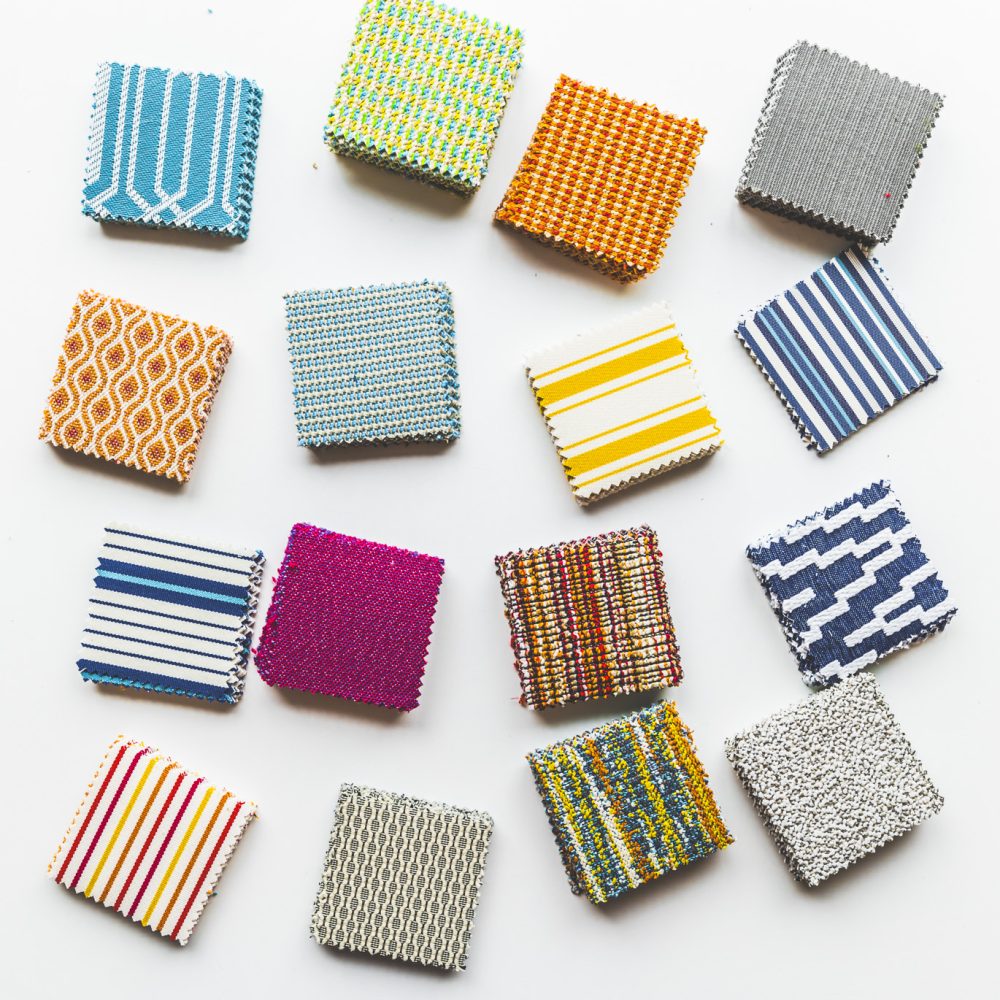
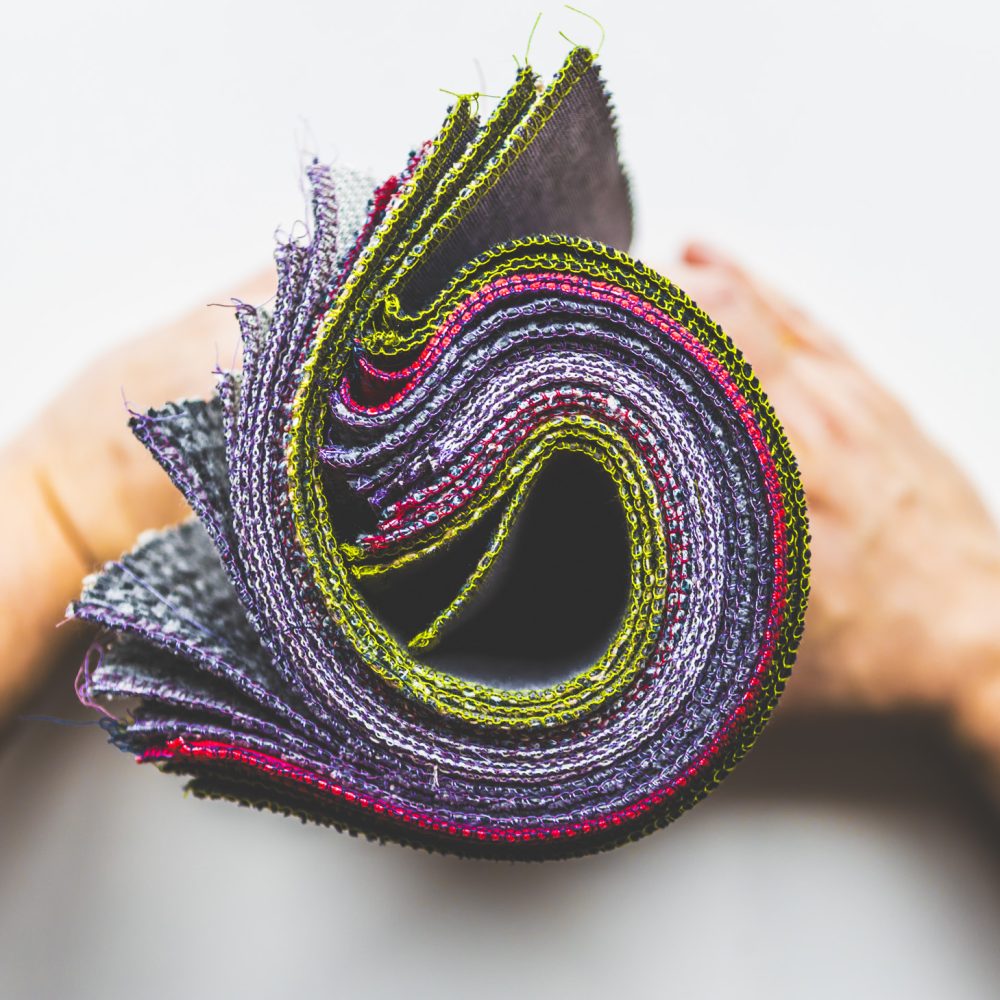
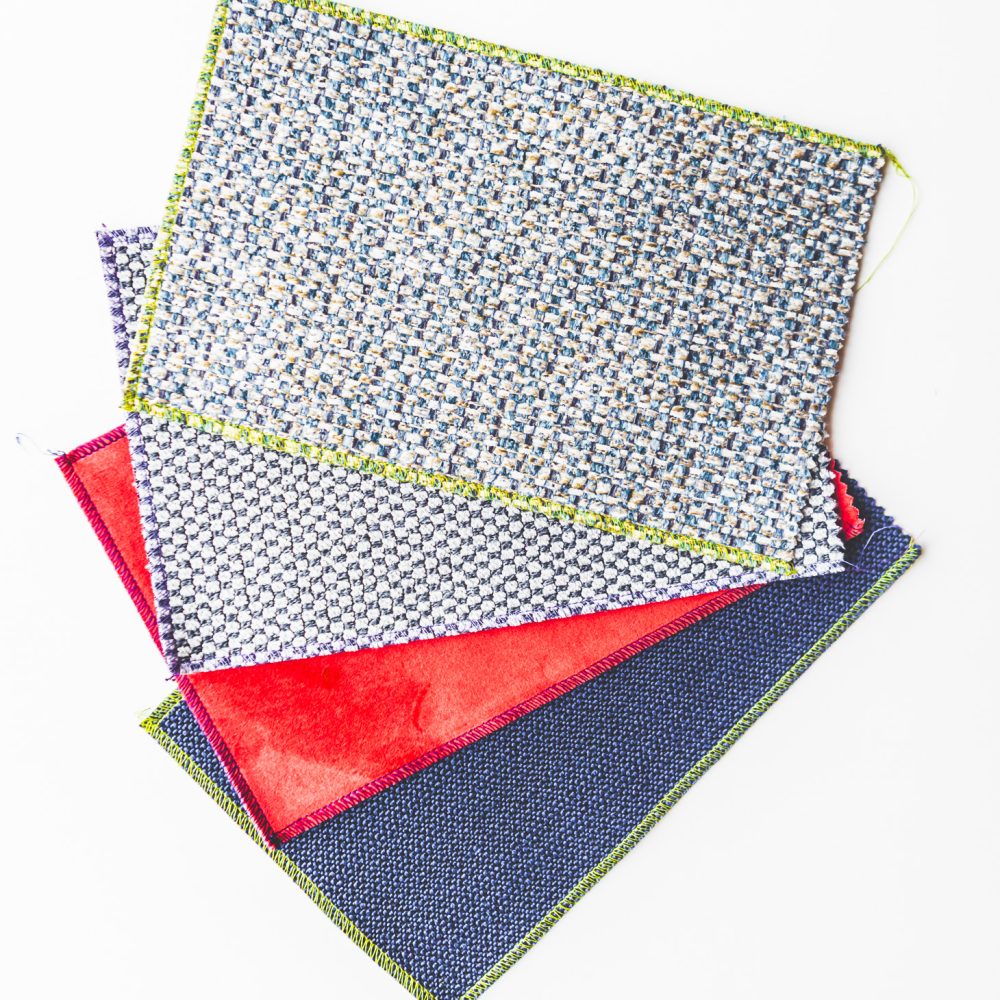
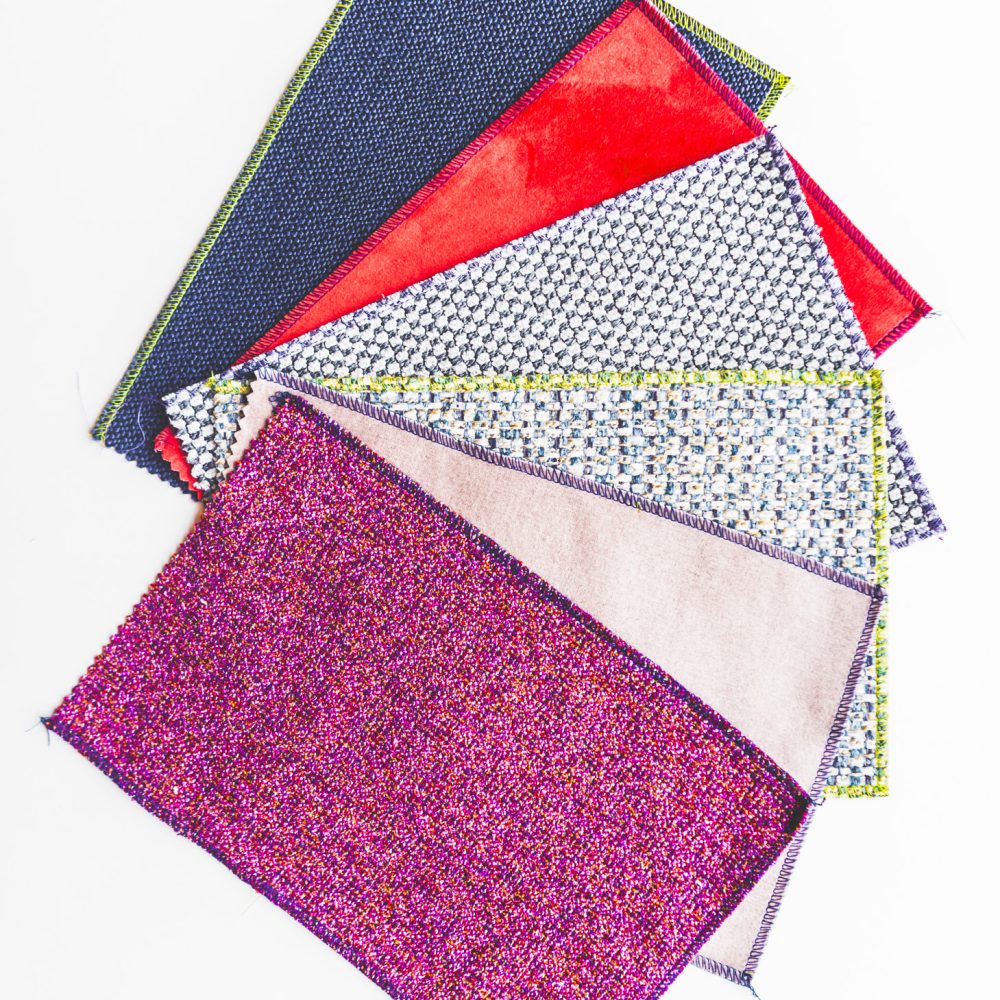
Memo swatches are one of the most convenient forms of fabric presentation – especially appreciated by interior designers, architects and decorative studios.
What are memo swatches?
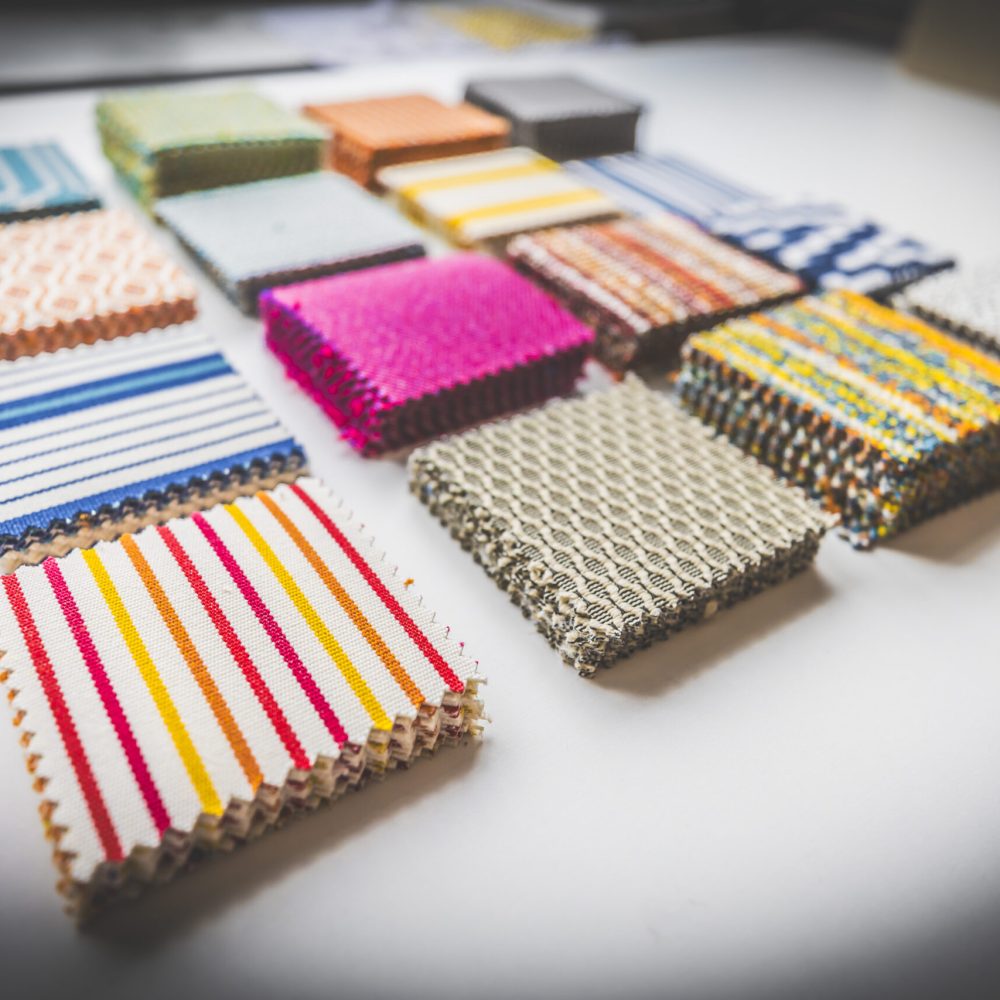
- These are individual fabric samples in a larger format (usually A5, A6, or square), usually with a label containing all the technical data.
- They can be loose, packaged in boxes, or stapled together.
- Thanks to the larger surface area, customers can clearly see the pattern, color, and texture, and easily apply the fabric to other interior elements.
Advantages of memo swatches
- A larger sample gives a better idea of the fabric than traditional small samples.
- Practical for designers – they can be loaned to clients or combined into mood boards.
- Flexible presentation – clients can combine different colors and patterns side by side.
- Easy to transport – can be packed in a box or briefcase and taken to a meeting.
- Premium option – often used in the luxury decorative and upholstery fabric segment.
Using memo swatches
- Design studios and showrooms.
- Collaboration with architects and decorators.
- Presentation of premium collections (velours, wools, linens, silks, jacquards).
- Marketing and sending samples to key clients.
Accessories
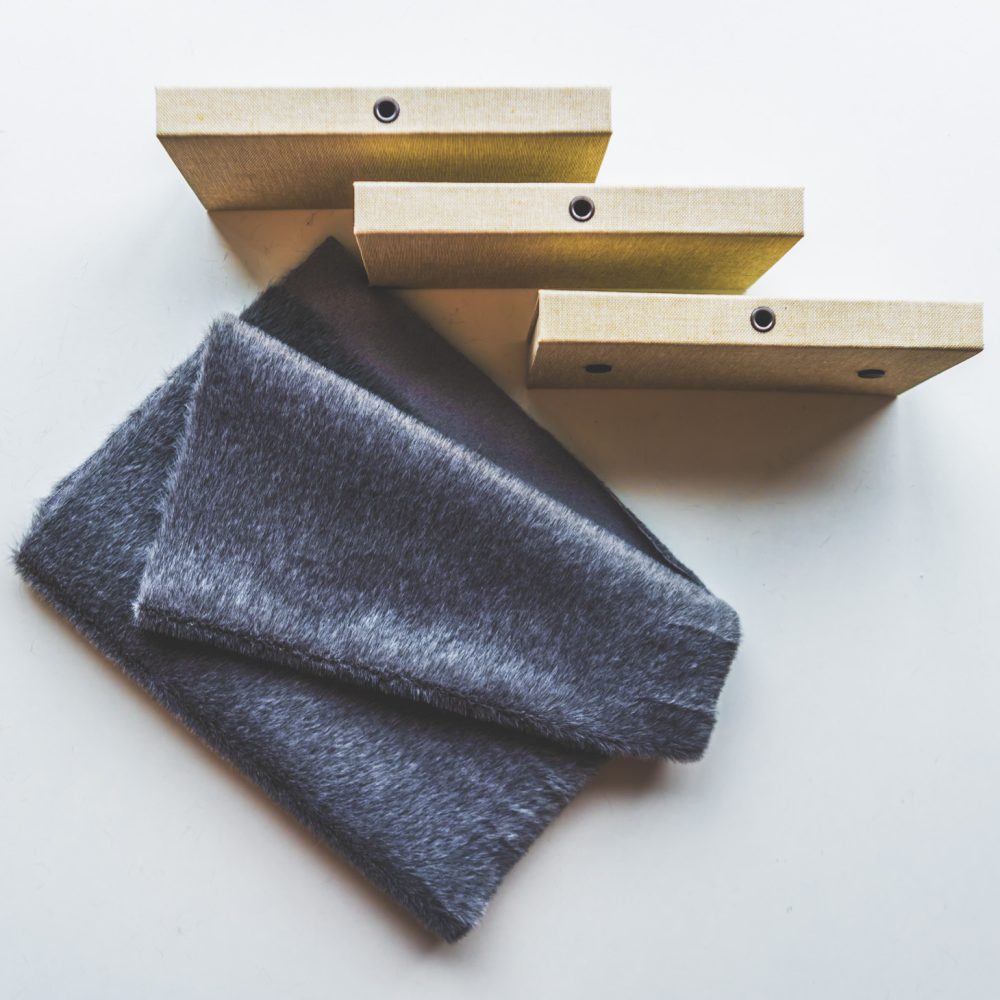
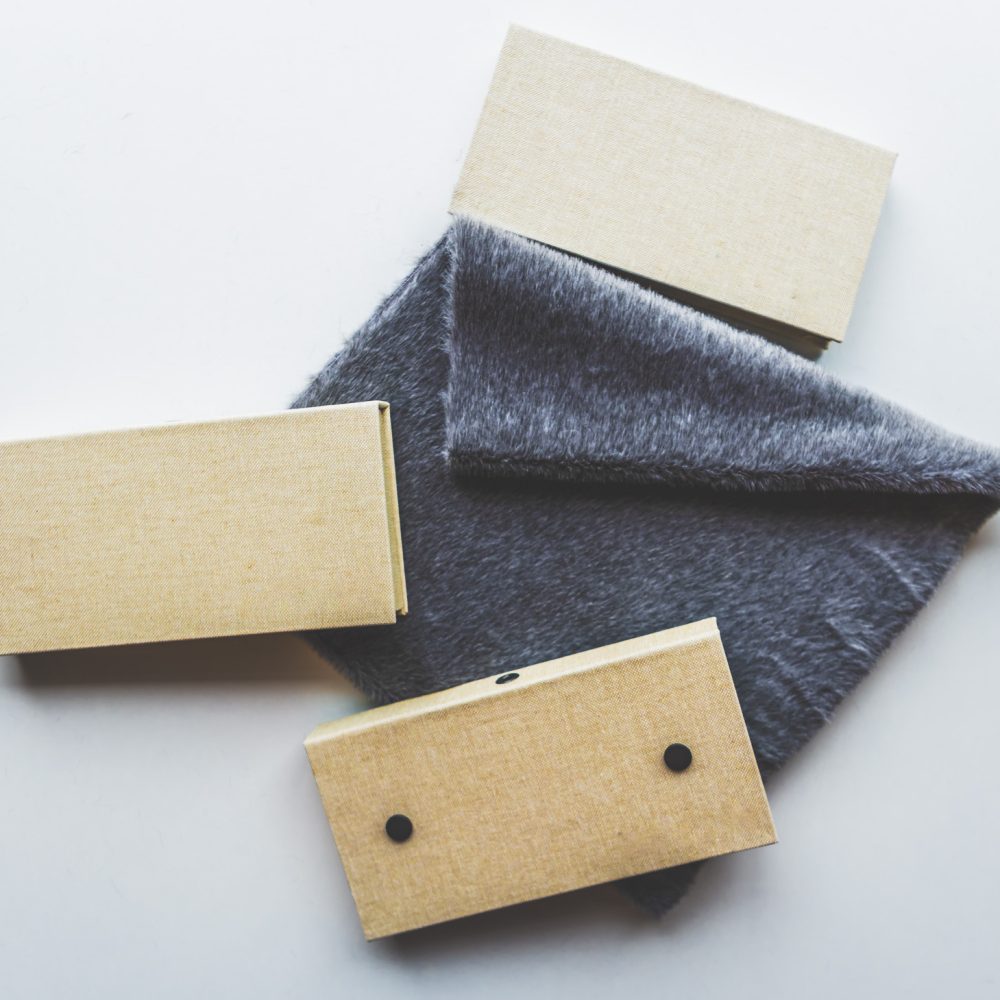
1. Bindings, spines, caps, caps
- Cardboard, cardboard, plastic, or eco-leather,
- laminated or foil-wrapped for increased durability,
- personalized with a print or embossed logo.
2. Fastening elements
- rivets, bookbinding screws, screws,
- adhesive tapes, industrial adhesives, double-sided tapes – for attaching fabrics to cards,
3. Handles and grips
- for conveniently carrying sample books, binders, and samplers,
- plastic, metal, textile – tailored to the nature of the product.
4. Labels and tags
- Stickers with codes, color numbers, and collection names,
- textile labels (often used in premium samples),
- tags with fabric technical data.
5. Dividers and descriptive cards
- Cardboard or foil dividers separating collections,
- cards with technical parameters (composition, weight, abrasion resistance, certificates).
6. Display elements
- Hangers (for color cards and waterfall cards),
- rings and rings (for card swatches),
- stands and displays supporting the presentation of swatches.
Metal, black, silver, plastic hooks
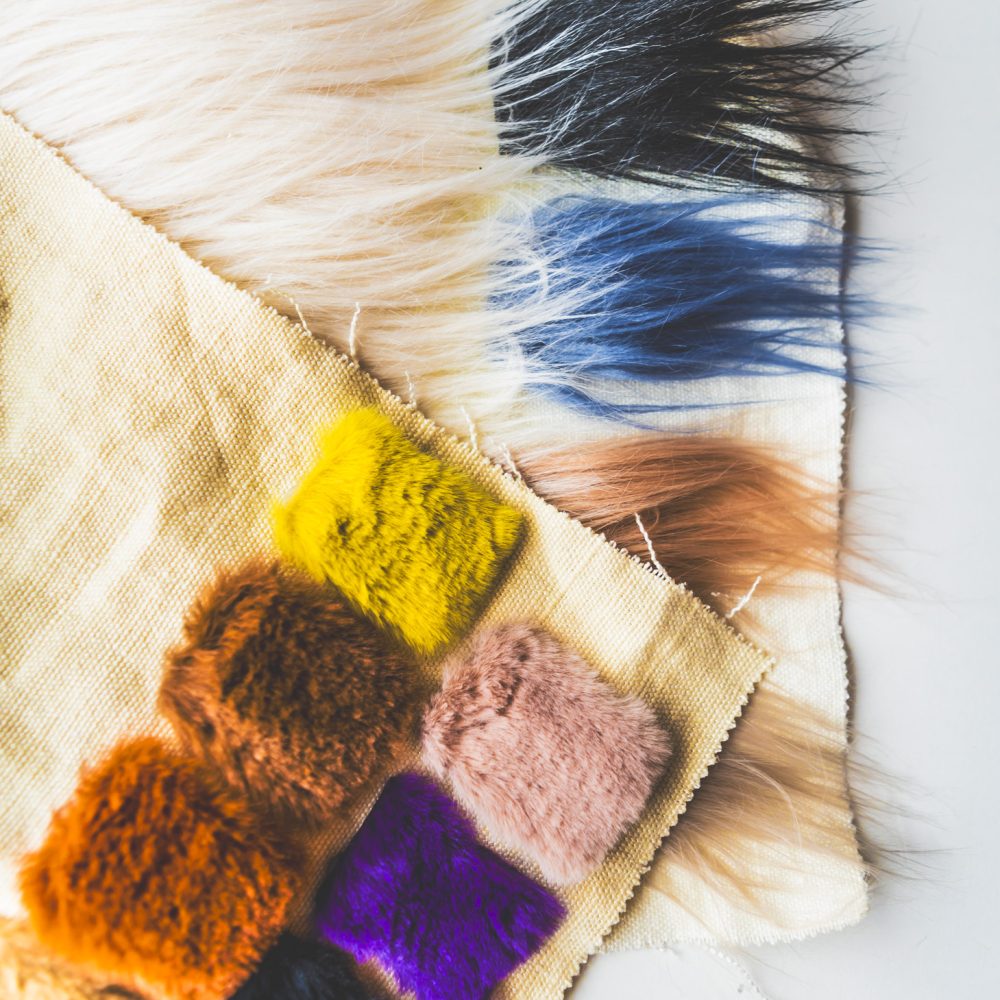
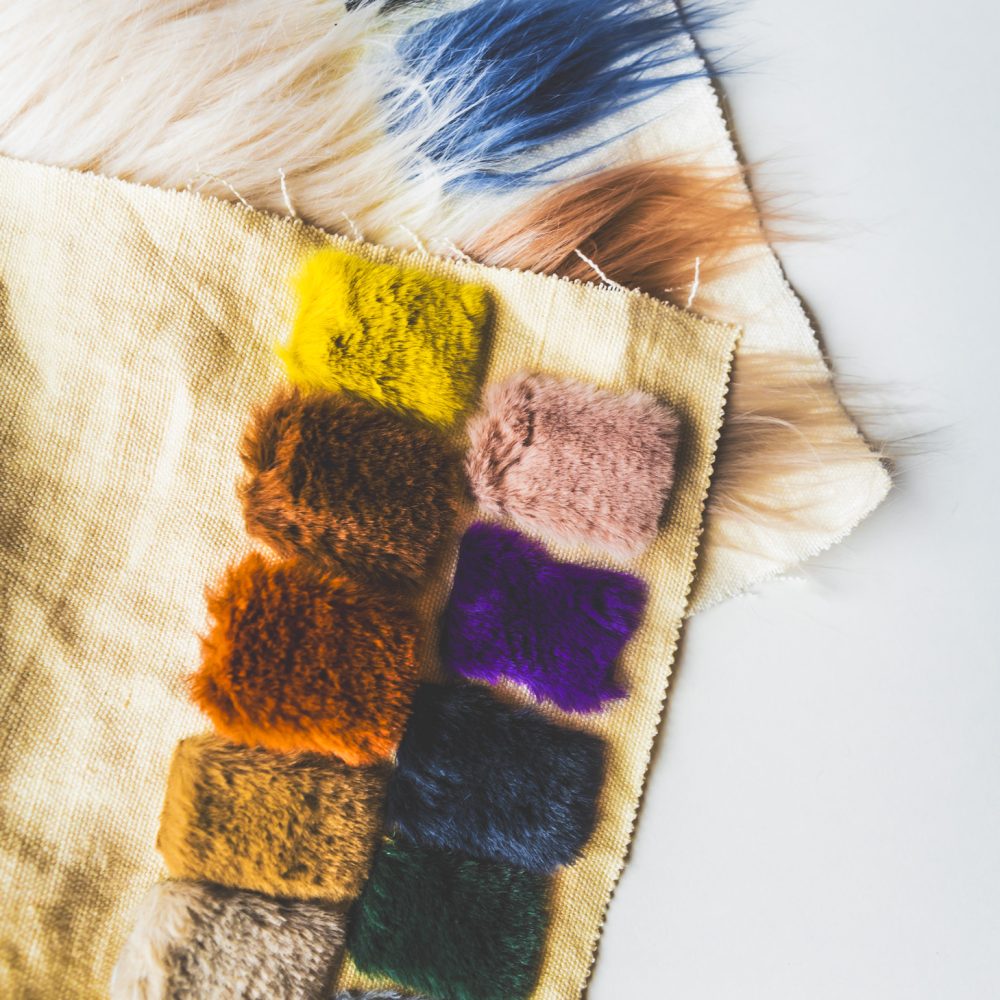
Individual projects
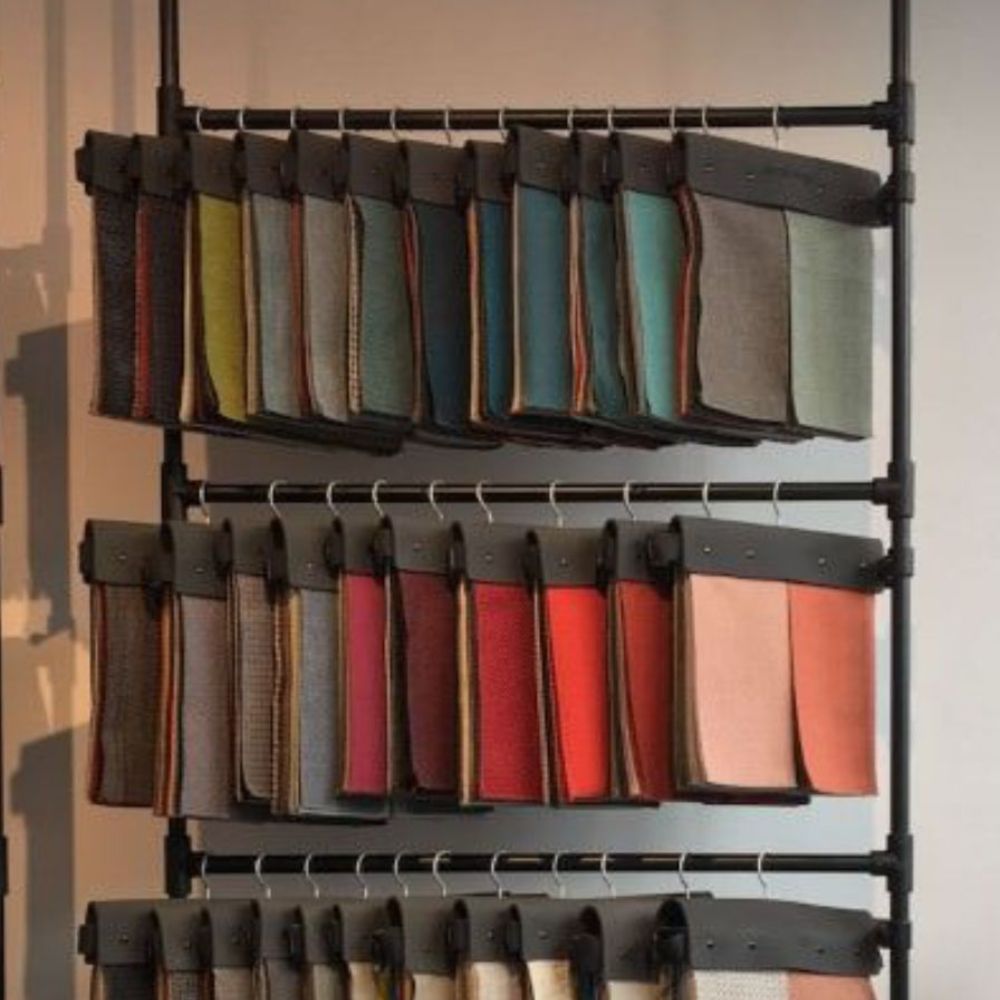
Fabric displays
Contact us
Phone:
E-mail:
Address:
Piotrowice, ul. Jeziorna 89
62-400 Słupca, Poland
Follow us:
All rights reserved © Samples Factory 2026. Realization by: Goldfish Media.